

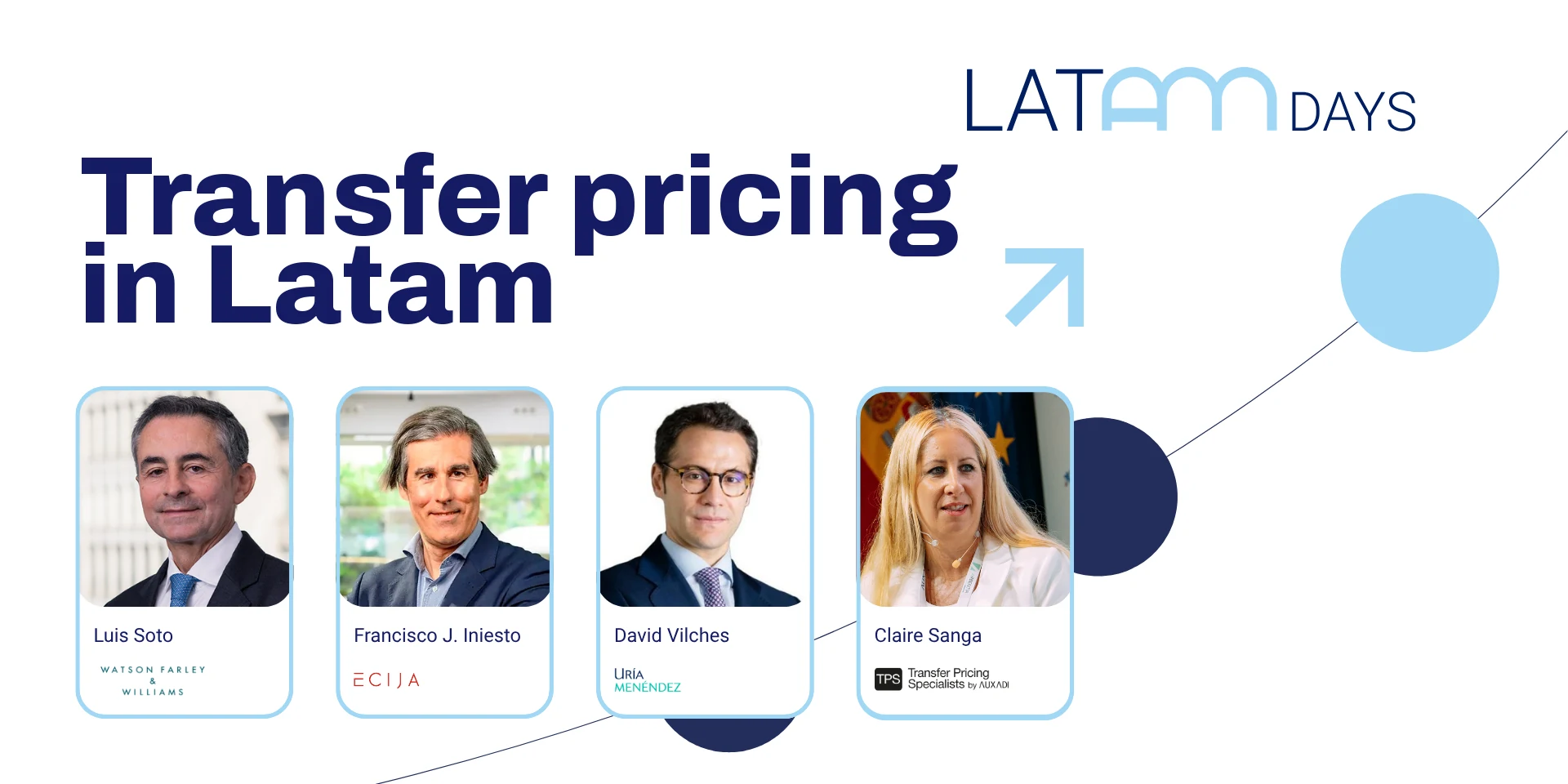

Transfer pricing in LATAM: progress, risks and trends
The panel discussion on transfer pricing in LATAM analysed how this area is evolving in Latin America and the growing sophistication of tax authorities in auditing multinational groups’ related-party transactions.
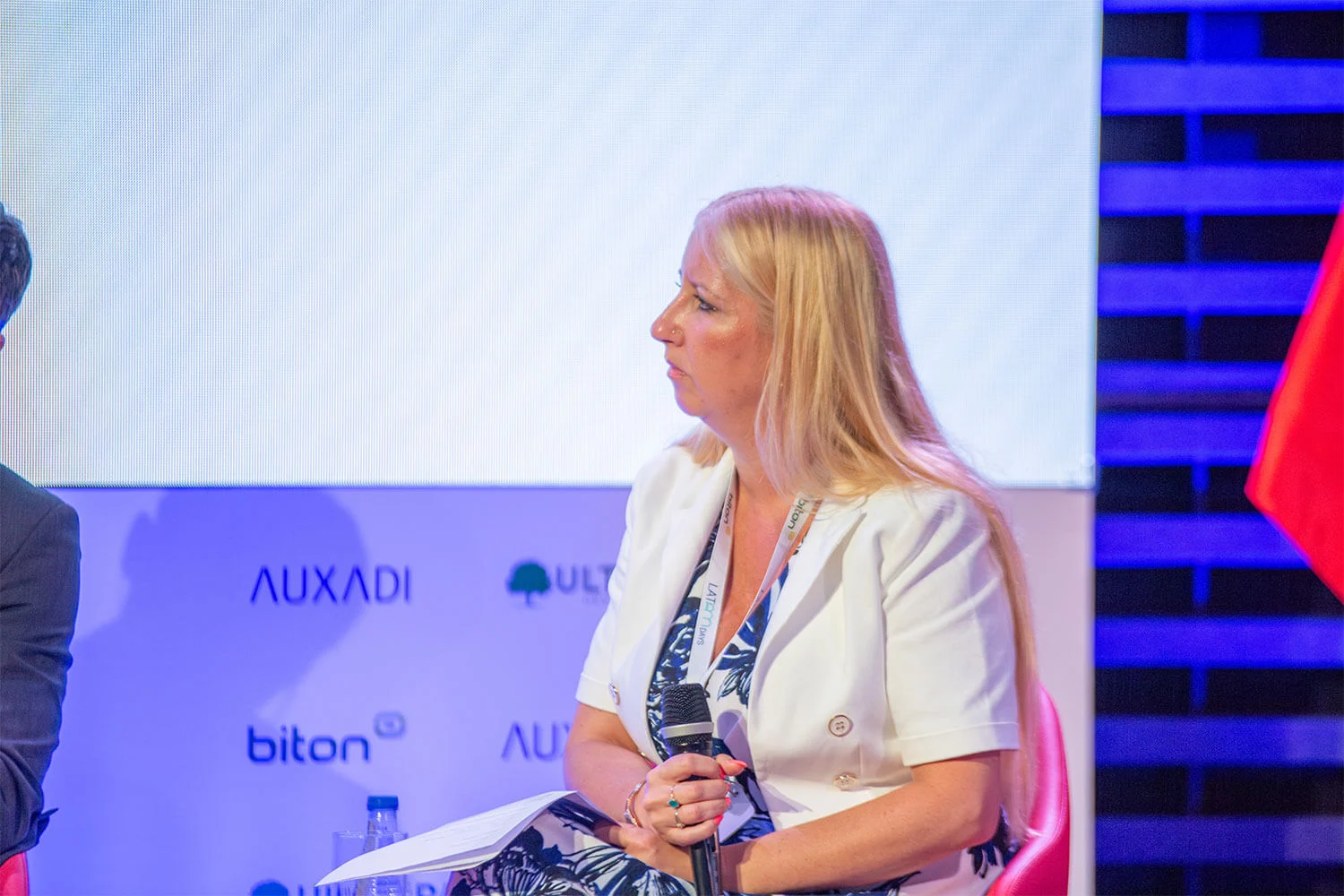
Claire Sanga, David Vilches, Luis Soto and Francisco Javier Iniesto discussed the main regulatory developments, the intragroup transactions with the highest tax risk and the keys to staying ahead in an increasingly demanding environment.
The starting point: transfer pricing as a tax priority in LATAM
Transfer pricing has become a priority for tax authorities in the region. Its high degree of interpretation makes it a particularly important area for reviewing transactions between companies in the same group.
The panel highlighted the increase in scrutiny, documentation requirements and analysis of the economic reality behind each transaction.
Discover more from LATAM Madrid 2026
Latin America’s alignment with OECD guidelines
There is a general trend towards greater alignment of Latin American countries with the OECD transfer pricing guidelines, although the level of development varies by country.
Intragroup transactions with the highest tax risk
Tax authorities are paying particular attention to intragroup services, intangible assets and financial transactions.
These transactions account for a significant share of tax risk because they can affect where value is located within the group, the deductibility of certain expenses and the correct application of arm’s length criteria.
Formal compliance is no longer enough in transfer pricing.
Financing, services and cross-border payments under greater scrutiny
In intragroup financing, it is no longer enough to show that the interest rate applied is at arm’s length. Authorities also analyse whether there is a genuine need for financing, whether the debt structure is reasonable and whether an independent third party would have provided that financing on similar terms.
In addition, intragroup services provided between Spain and different Latin American countries may receive different tax treatment depending on the jurisdiction. Some authorities are recharacterising management fees as technical assistance or royalties, which can change the withholding taxes applicable at source.
Procedures to avoid double taxation
The panel analysed the usefulness of mutual agreement procedures and advance pricing agreements in reducing tax uncertainty in related-party transactions.

Keys to reducing transfer pricing risks
Transfer pricing in Latin America is moving towards an environment of greater scrutiny, technical sophistication, documentation requirements and international coordination.
For multinational groups, the key is to anticipate, analyse risks, properly document related-party transactions and ensure that the policies applied reflect the group’s economic and operational reality.
FAQs on transfer pricing in Latin America




Auxadi and its commitment to internationalisation
Auxadi, a leading Spanish firm providing accounting services to multinationals and real estate funds, promotes LATAM Days as part of its commitment to business internationalisation. With an international presence and expertise in accounting, tax, payroll, transfer pricing and corporate legal services, it supports companies’ global growth through technology, local knowledge and strategic vision.

