

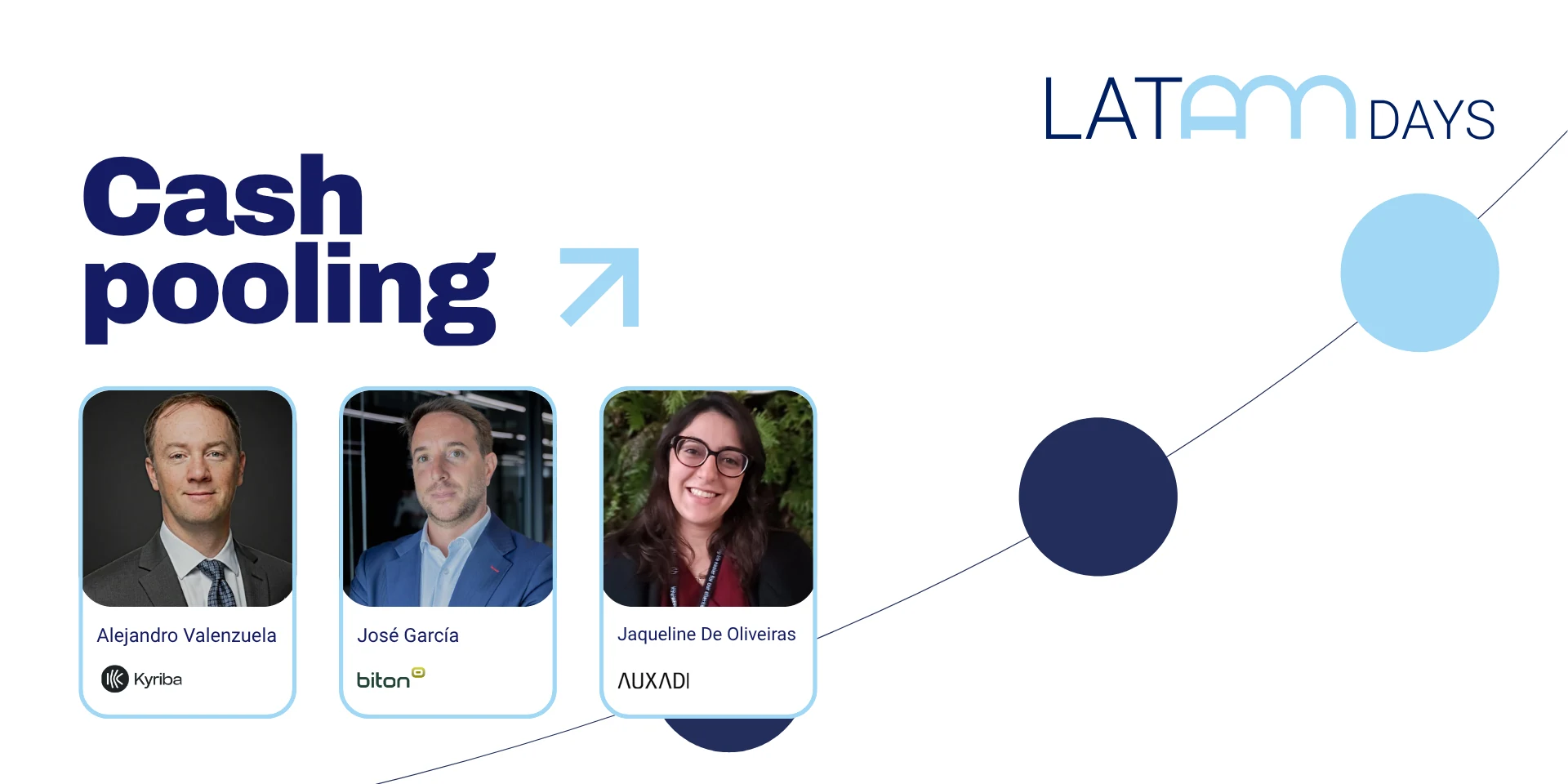

Cash pooling and AI-powered treasury: keys to global management
The panel discussion on cash pooling and treasury control systems in the age of AI focused on how digitalisation, automation and artificial intelligence are transforming financial management at companies with an international presence.
Jaqueline De Oliveira, Alejandro Valenzuela and José García discussed the importance of having a global view of treasury, improving liquidity control and adapting cash pooling models to the operational, legal and tax reality of each country.

The starting point: a more connected, automated and global treasury
Treasury management is no longer limited to checking bank balances or reviewing cash movements. International companies need a global, centralised, real-time view of their liquidity to make better financial decisions.
The panel stressed that treasury control must bring together banking information, payments, credit lines, maturities, financing, currencies, risks and cash forecasts.
Discover more from LATAM Madrid 2026
A global, centralised view of treasury
Drawing on the experience of Auxadi, Kyriba and Biton, the speakers explained that the value of a treasury tool lies not only in checking bank balances, but in having a global, centralised, real-time view of liquidity.
What should this view include?
Alejandro Valenzuela framed treasury visibility along three axes: time, geography and multi-product.
Integration and automation of treasury management
One of the panel’s key points was that treasury control is not just about having data, but about being able to make decisions and execute them securely.
To do this, technology platforms must connect with banks, ERPs and companies’ internal systems.
This integration makes it possible to automate processes such as payments, reconciliations, forecasts and cash movements.
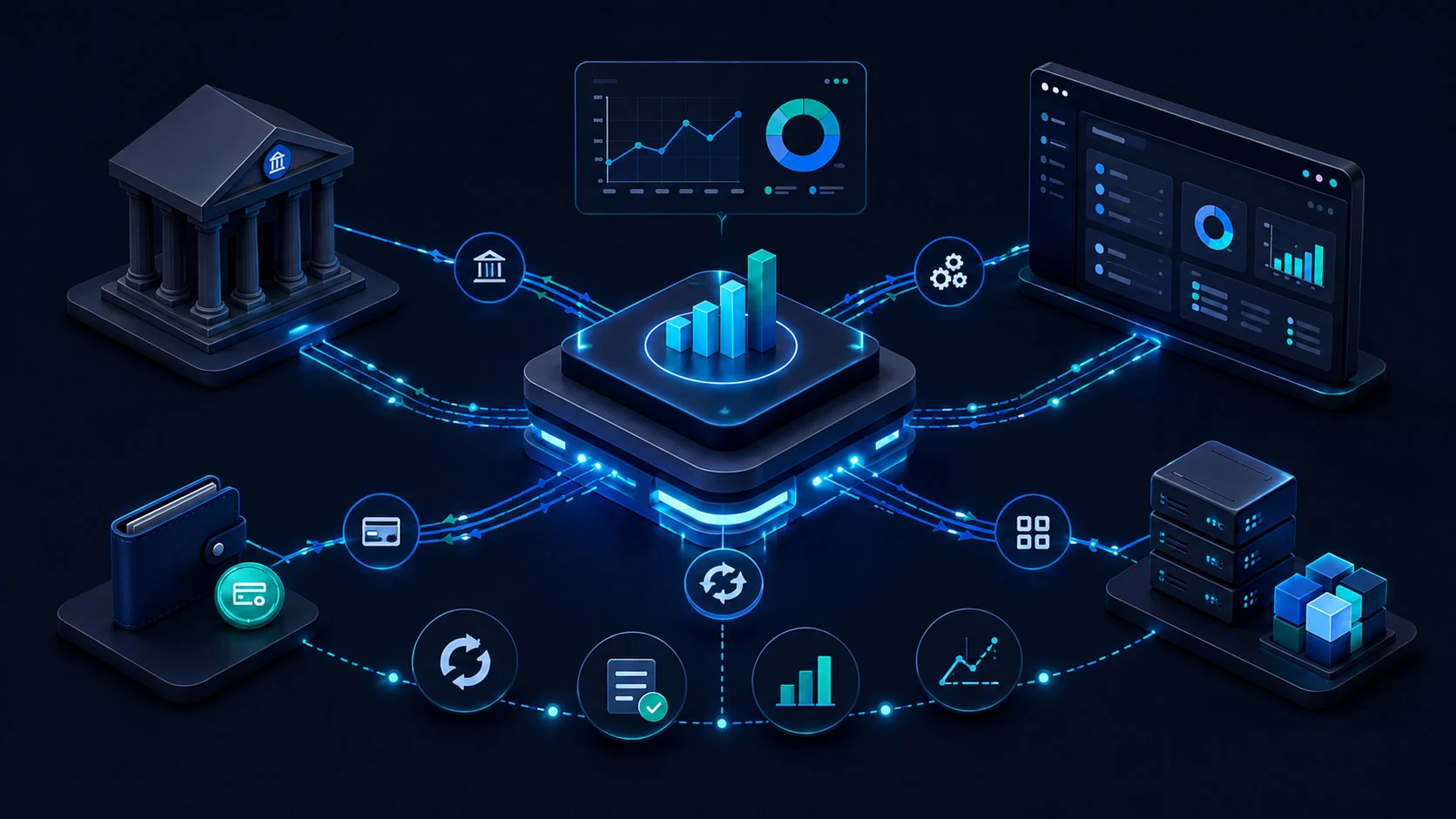
Modern treasury requires moving from a static view of cash to active liquidity management
Companies with an international presence need more connected, automated and scalable processes, while maintaining traceability, security, human oversight and trust in the data at all times.
Cash pooling in international companies
José García explained that the main barriers to implementing a cash pooling system are not only technological. There are also operational, legal, tax, organisational and regulatory constraints.
Barriers to implementing a cash pooling model
A pure cash pooling model is not always viable, especially in Latin America, where local regulations may restrict the centralisation of balances or require intermediate solutions
Flexible models adapted to each country
The recommendation was to design flexible models that combine technology, legal advice, transfer pricing and adaptation to each country’s specifics.
- Operational conditions
- Legal and tax requirements
- Regulatory limitations
- Transfer pricing
- Country-by-country adaptation
- Intermediate solutions when a pure model is not viable
Artificial intelligence applied to treasury
Artificial intelligence emerged as a key lever for the future of treasury management.
The panel analysed its evolution from rules-based automation to machine learning, generative AI and agentic AI.
Automation of financial processes
Integrating treasury platforms, banks, ERPs and internal systems makes it possible to automate key processes and reduce manual tasks.
This automation helps improve data accuracy, speed up transaction execution and strengthen control over the company’s financial position.
Keys to global treasury management in the age of AI
Companies must move towards models that allow them to manage liquidity with greater visibility, security and foresight.
The panel’s main conclusion was that modern treasury requires moving from a static view of cash to active liquidity management.
Companies must move towards more connected, automated and scalable processes, while maintaining traceability, security, human oversight and trust in the data at all times.
In this context, cash pooling, automation and artificial intelligence can become key tools for improving treasury control and global liquidity management.
FAQs on cash pooling and treasury management

Auxadi and its commitment to internationalisation
Auxadi, a leading Spanish firm providing accounting services to multinationals and real estate funds, promotes LATAM Days as part of its commitment to business internationalisation. With an international presence and expertise in accounting, tax, payroll, transfer pricing and corporate legal services, it supports companies’ global growth through technology, local knowledge and strategic vision.

